
Canadian Citizenship Practice Test 2026
Prepare for your Canadian Citizenship Practice Test with our free, accurate, and up-to-date practice tests. All questions are based on the official Discover Canada guide, helping you study the exact topics covered on the real test — including Canadian history, government, laws, symbols, and more. Track your progress, get instant feedback, and build confidence to pass on your first attempt.
Number of Questions
20
Correct Answers to Pass
15
Passing Score
75%
Length of Test
45 minutes
Canadian Citizenship Test Practice Questions
What Is the Canadian Citizenship Test?
The Canadian Citizenship Test is part of the citizenship application process for most applicants between the ages of 18 and 54. The test is designed to measure your understanding of Canada and your responsibilities as a future citizen.
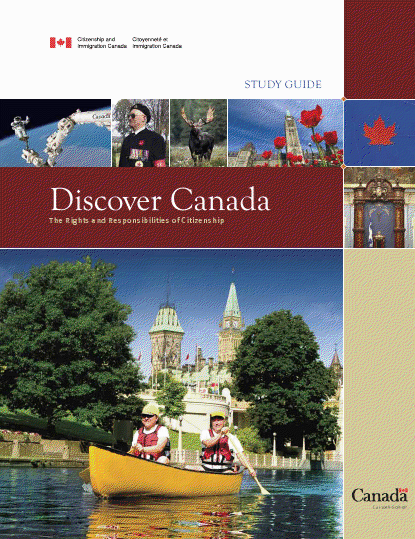
The test is based on the official study guide Discover Canada: The Rights and Responsibilities of Citizenship, which covers key topics such as:
Canadian history
Canadian geography
Government and political system
Rights and responsibilities of citizens
Canadian symbols and culture
The test usually consists of 20 multiple-choice and true-or-false questions. You must answer at least 15 questions correctly to pass.
The test can be taken online or in person depending on your application process.
Why Practice Canadian Citizenship Test Questions?
Practicing with sample questions is one of the best ways to prepare for the citizenship exam. Practice questions help you:
Understand the format of the real test
Identify important topics from the study guide
Improve your confidence before the exam
Test your knowledge and track your progress
Regular practice also helps you remember important facts about Canada’s history, government, and culture.
Topics Covered in the Canadian Citizenship Test
The citizenship test covers several important areas of knowledge about Canada. Understanding these topics will help you answer questions more easily.
Canadian History
You should be familiar with important historical events and figures that shaped Canada. Topics may include:
Indigenous peoples and early history
European exploration and settlement
Confederation and the creation of Canada
Major historical events such as wars and political changes
Understanding Canada’s history helps you appreciate the country’s development and democratic traditions.
Canadian Geography
Geography questions test your knowledge of Canada’s physical and regional features. You should know:
Canada’s provinces and territories
Major cities and regions
Natural resources and landscapes
Oceans and borders
Canada is the second-largest country in the world, and geography plays an important role in its economy and culture.
Government and Political System
You should understand how Canada’s government works. This includes:
Canada’s constitutional monarchy
The roles of the Prime Minister, Parliament, and the Governor General
Federal, provincial, and municipal governments
Elections and voting
Knowing how the political system works is essential for participating in Canada’s democracy.
Rights and Responsibilities of Citizens
Citizenship comes with both rights and responsibilities. The test may include questions about:
Voting in elections
Obeying Canadian laws
Serving on a jury when called
Respecting the rights and freedoms of others
Understanding these responsibilities shows that you are prepared to participate fully in Canadian society.
Canadian Citizenship Test Practice Questions
Here are some practice questions similar to those you may see on the actual test.
Question 1
What is the capital city of Canada?
A. Toronto
B. Ottawa
C. Vancouver
D. Montreal
Correct Answer: B. Ottawa
Explanation: Ottawa, located in Ontario, is the capital city of Canada and the center of the federal government.
Question 2
How many provinces and territories does Canada have?
A. 10 provinces and 3 territories
B. 9 provinces and 4 territories
C. 12 provinces and 2 territories
D. 8 provinces and 5 territories
Correct Answer: A. 10 provinces and 3 territories
Explanation: Canada consists of ten provinces and three territories.
Question 3
What is the name of Canada’s national anthem?
A. O Canada
B. God Save the King
C. Maple Song
D. Canada Forever
Correct Answer: A. O Canada
Explanation: “O Canada” is the official national anthem of Canada.
Question 4
Who is Canada’s Head of State?
A. The Prime Minister
B. The Governor General
C. The Monarch
D. The Senate
Correct Answer: C. The Monarch
Explanation: Canada is a constitutional monarchy, and the monarch is the official head of state.
Question 5
What are the three levels of government in Canada?
A. National, regional, and local
B. Federal, provincial/territorial, and municipal
C. Royal, provincial, and city
D. Government, parliament, and senate
Correct Answer: B. Federal, provincial/territorial, and municipal
Explanation: Canada has three levels of government that share responsibilities.
Question 6
What is the largest province in Canada by population?
A. Alberta
B. Ontario
C. Quebec
D. British Columbia
Correct Answer: B. Ontario
Explanation: Ontario is the most populous province in Canada.
Question 7
What does the Canadian flag symbolize?
A. Peace and unity
B. The maple leaf
C. The oceans and forests
D. The royal crown
Correct Answer: B. The maple leaf
Explanation: The maple leaf is an important national symbol representing Canada.
Question 8
What is one responsibility of Canadian citizens?
A. Voting in elections
B. Owning property
C. Paying for education
D. Traveling abroad
Correct Answer: A. Voting in elections
Explanation: Citizens have the right and responsibility to vote in federal, provincial, and municipal elections.
Question 9
What is Canada’s system of government called?
A. Republic
B. Constitutional monarchy
C. Direct democracy
D. Military government
Correct Answer: B. Constitutional monarchy
Explanation: Canada is a constitutional monarchy with a parliamentary democracy.
Question 10
Which ocean is located on Canada’s west coast?
A. Atlantic Ocean
B. Pacific Ocean
C. Arctic Ocean
D. Indian Ocean
Correct Answer: B. Pacific Ocean
Explanation: The Pacific Ocean borders Canada’s western coastline.
Tips to Pass the Canadian Citizenship Test
Passing the citizenship test requires preparation and understanding of the official study material. Here are some useful tips to help you succeed.
Study the Official Guide
The most important resource for the test is the official study guide Discover Canada. All questions on the test are based on information in this guide.
Reading the guide carefully will help you understand Canada’s history, values, and political system.
Practice Regularly
Practice questions are essential for test preparation. Taking quizzes and mock exams helps you become familiar with the question format and improve your accuracy.
Try to complete several practice tests before your exam date.
Focus on Key Facts
Many questions on the test focus on key facts such as:
Names of provinces and territories
National symbols
Important historical events
Roles of government officials
Memorizing these facts will help you answer questions more quickly.
Review Mistakes
When you answer practice questions incorrectly, review the explanation and learn the correct information. Understanding your mistakes helps you avoid repeating them on the real test.
Stay Calm and Confident
On the day of your test, remain calm and read each question carefully. If you have practiced enough, you will recognize many of the topics and feel confident in your answers.
What Happens After the Citizenship Test?
After completing the test, your answers will be reviewed. If you pass, the next step is usually the citizenship ceremony, where you take the oath of citizenship and officially become a Canadian citizen.
If you do not pass the test on the first attempt, you may be given another opportunity to take the test or attend an interview with a citizenship officer.
Final Thoughts
Preparing with Canadian citizenship test practice questions is one of the best ways to ensure success on your exam. By studying the official guide, practicing regularly, and understanding the key topics about Canada, you can significantly increase your chances of passing the test.
The citizenship test is more than just an exam—it is an opportunity to learn about Canada’s history, values, and democratic system. With the right preparation and dedication, you can confidently take the test and move one step closer to becoming a Canadian citizen.
Why Use Our Canadian Citizenship Practice Tests?
Thousands of applicants search every year for the best way to prepare for the citizenship test in Canada. Not all practice platforms are accurate or aligned with the official government material.
Our system is built directly around the official study guide, ensuring you focus only on what truly matters.
What Makes Our Platform Different?
Questions based strictly on the official guide
Realistic 20-question mock exams
Multiple-choice and true/false formats
Detailed answer explanations
Unlimited retakes
Mobile-friendly and easy to use
We do not overload you with unnecessary content. Instead, we provide targeted preparation designed to increase retention and improve exam performance.
Based on the Official Discover Canada Study Guide
All questions are developed using the official government publication:
Discover Canada: The Rights and Responsibilities of Citizenship
This guide explains:
Canadian history
Indigenous Peoples
Confederation
Federal, provincial, and municipal government
Elections and democratic rights
Geography and regions
National symbols
Rights and responsibilities of citizens
Because the real test is based entirely on Discover Canada, mastering this guide is the foundation of success.
Our practice tests reinforce the material in a structured, exam-ready format.
What Is on the Canadian Citizenship Test?
The official Canadian Citizenship Test includes:
20 questions
Multiple-choice and true-or-false format
30 minutes to complete
Passing score: 15 out of 20
The questions assess your knowledge of Canada’s values, institutions, history, geography, and civic duties.
All content is derived from the Discover Canada study guide and administered by Immigration, Refugees and Citizenship Canada.
Understanding the format reduces anxiety and helps you approach the test strategically.
Immediate Help for Immigrants
Instead of memorizing random facts, we organize our Canadian Citizenship Practice Tests into focused study categories.
Practice by Key Categories
Preparing for the Canadian Citizenship Test is not simply about memorizing dates, names, or definitions. It is about developing a clear understanding of Canada’s identity, democratic foundations, shared values, and civic institutions as you take this important step toward becoming a citizen. The test is designed to evaluate whether you understand how Canada functions as a country — historically, politically, legally, and socially. That means you must go beyond surface-level memorization and build structured knowledge across multiple subject areas outlined in Discover Canada: The Rights and Responsibilities of Citizenship. That is why we organize our Canadian Citizenship Practice Tests into carefully structured categories that mirror the way the material is presented in the official guide and assessed by Immigration, Refugees and Citizenship Canada. Why Category-Based Practice Improves Your Score Random practice questions can help — but targeted study is far more effective. When quizzes are grouped into focused sections, you can: Identify weak areas quickly Reinforce related concepts together Improve long-term retention Track measurable progress Study efficiently in shorter sessions Instead of reviewing disconnected facts, you build conceptual understanding within each knowledge domain. Structured Categories for Focused Learning Our platform organizes citizenship test preparation into four core pillars aligned with the official exam framework: 1️⃣ Canadian History & Geography Understanding Canada’s development as a nation is central to the citizenship test. This section helps you connect major historical milestones with their long-term impact. You will review: Indigenous Peoples and their foundational role European settlement and Confederation The World Wars and Canada’s global contributions Expansion across provinces and territories Regional geography from Atlantic Canada to the Pacific and the North Rather than memorizing isolated events, our quizzes emphasize cause-and-effect relationships, helping you understand how historical developments shaped modern Canada. 2️⃣ Government, Democracy & Political System Canada’s parliamentary democracy is one of the most frequently tested areas. In this category, you will strengthen your understanding of: The structure of federal, provincial, and municipal governments The roles of the Prime Minister and Cabinet The Governor General and constitutional monarchy How elections are conducted The separation of powers and federalism The rule of law Our quizzes clarify how these systems operate in practice — not just definitions, but how authority is structured and exercised in real governance. 3️⃣ Rights, Responsibilities & Civic Duties Citizenship is not only about knowledge — it is about participation and responsibility. This section focuses on: Democratic rights such as voting Equality under the law Freedom of expression and religion Jury duty and obeying the law Respect for diversity and multiculturalism By studying these principles in context, you understand not just what the rights are, but why they are foundational to Canadian society. 4️⃣ National Symbols & Cultural Identity The citizenship test also evaluates your understanding of Canada’s national identity. This includes: The Canadian flag and its symbolism The national anthem Remembrance Day The maple leaf and the beaver Official languages
Rights, Responsibilities & Civic Participation
Learn about:
Voting rights
Jury duty
Obeying the law
Respect for diversity
Equality under the law
Citizenship is not only about knowledge — it is about civic responsibility.
National Symbols & Canadian Identity
Prepare for questions about:
The Canadian flag
The national anthem
Remembrance Day
The maple leaf
The beaver
Official languages
Symbol-based questions frequently appear on the test.
Government, Democracy & Law
Study:
Parliamentary democracy
The Constitution
Federalism
Elections
The roles of the Prime Minister and Governor General
Provincial governance structures
These topics are commonly tested and require clear comprehension.
Canadian History & Geography
Review:
Indigenous history
Confederation
The World Wars
Major historical figures
Canada’s provinces and territories
Physical geography and regions
Understanding the historical development of Canada is essential for success.
What Our Visitors Say
- Track your progress. Join 50,000+ students who passed on their first try
Discover Canada – The Rights and Responsibilities of Citizenship
Discover Canada: The Rights and Responsibilities of Citizenship is used by newcomers to study for the citizenship test. It also contains information about the history of Canada, how our government works, symbols of Canada and its regions.
Who Has to Take the Canadian Citizenship Test and Interview?
Whether you must take the Canadian Citizenship Test or attend a citizenship interview depends primarily on your age at the time of application and your individual circumstances.
The requirements are established by Immigration, Refugees and Citizenship Canada (IRCC), which administers the citizenship process.
Adults Aged 18 to 54
If you are between 18 and 54 years old on the day you sign your application, you are required to:
Take the Canadian Citizenship Test
Demonstrate adequate knowledge of Canada
Meet language requirements (English or French)
Possibly attend a citizenship interview if requested
Most applicants in this age group complete the written test online. An interview may be scheduled if IRCC needs clarification regarding your residency, language ability, or documentation.
Adults Aged 55 and Over
Applicants aged 55 and older are generally exempt from taking the written citizenship test. However:
You may still be invited to attend an interview
A citizenship officer may verify residency, identity, or application details
Even though the written exam is not required, applicants must still meet other eligibility criteria for citizenship.
Minors Under 18
Most applicants under 18 years of age are exempt from the written test. However:
Some minors may be invited for an interview
Requirements can vary depending on whether they apply alone or with a parent
If you are unsure about your specific situation, reviewing your application instructions carefully is important.
Understanding which category you fall into allows you to prepare appropriately and avoid surprises during the process.
What’s on the Canadian Citizenship Test?
The Canadian Citizenship Test evaluates your knowledge of Canada’s history, institutions, values, and civic responsibilities. The format is standardized and consistent across applicants.
Test Format Overview
20 questions
Multiple-choice and true-or-false format
30 minutes to complete
Passing score: 15 out of 20
The questions are based entirely on the official study guide:
Discover Canada: The Rights and Responsibilities of Citizenship
This guide is the authoritative source for all test material.
Topics Covered on the Test
You can expect questions from the following categories:
Canadian history (including Confederation and major events)
Indigenous Peoples
Geography and regions
Federal, provincial, and municipal government
Elections and democratic rights
The justice system and rule of law
Rights and responsibilities of citizens
National symbols and traditions
The test does not include trick questions. However, it does require careful reading and accurate understanding of the official material.
How to Take the Canadian Citizenship Test Online
Today, most applicants complete the citizenship test online.
After your application is processed, you will receive:
An official invitation
Step-by-step instructions
A deadline (typically 30 days) to complete the test
You must complete the test within the given time window.
Important Online Testing Requirements
Before starting your test, ensure:
Your device is functioning properly
Your internet connection is stable
Your browser is compatible
Your government-issued ID is ready for verification
You are allowed up to three attempts to pass.
Preparing your technology in advance reduces the risk of technical interruptions.
Taking the Test via Microsoft Teams or In Person
Some applicants may require accommodations or be selected for alternative testing formats.
In such cases, you may be invited to:
Take the test in person at a designated location
Complete the test through a supervised session using Microsoft Teams
Regardless of format, you still receive up to three attempts.
This flexibility ensures fairness and accessibility for all eligible applicants.
What Happens If You Fail the Citizenship Test?
If you do not pass on your first attempt, you may retake the test. You are permitted up to three total attempts.
If you are unsuccessful after the third attempt:
You will be scheduled for a citizenship hearing
A citizenship officer will assess your knowledge orally
During the hearing, the officer may ask questions related to the same subject areas covered in the written test.
Understanding this process helps reduce anxiety. Most applicants who study consistently using structured practice tests pass well before reaching this stage.
How to Prepare Effectively for the Citizenship Test
Preparation is the most important factor in achieving a passing score.
The most effective approach includes:
1. Study the Official Guide
Read Discover Canada: The Rights and Responsibilities of Citizenship thoroughly. Focus on understanding concepts rather than memorizing isolated facts.
2. Use Realistic Canadian Citizenship Practice Tests
Take multiple practice exams that mirror the real test format:
20-question simulations
Mixed topic coverage
Timed conditions
Practicing under realistic conditions builds familiarity and confidence.
3. Review Mistakes Carefully
After each practice test:
Analyze incorrect answers
Revisit the relevant section of Discover Canada
Strengthen weak categories
Active review improves long-term retention.
4. Aim for Consistency
Before your official test date, aim to consistently score 16 or higher on practice exams. This provides a performance buffer above the minimum passing requirement of 15.
Reduce Stress Through Preparation
The Canadian Citizenship Test is manageable with proper preparation. By understanding:
Who must take the test
How the test works
What happens if you fail
How to prepare strategically
You transform uncertainty into structured readiness.
Consistent practice, focused study, and familiarity with the official material give you a clear advantage — and significantly increase your confidence on test day.
Start your journey towards Canadian citizenship—empower yourself with the right resources and support!
Frequently Asked Questions
The Canadian Citizenship Test contains 20 multiple-choice and true-or-false questions. You must answer at least 15 questions correctly to pass.
You need a minimum score of 15 out of 20 (75%) to pass the Canadian Citizenship Test.
Applicants aged 18 to 54 are required to take the test. Those aged 55 and older are generally exempt but may still attend an interview, according to Immigration, Refugees and Citizenship Canada.
Yes. Most applicants complete the test online after receiving an official invitation. Alternative arrangements may be provided if needed.
You have 30 minutes to complete the 20-question test once it begins.
Yes. You are allowed up to three attempts. If you fail all three, you will attend a citizenship hearing with an officer.
The test covers Canadian history, geography, government, rights and responsibilities, laws, and national symbols based on Discover Canada: The Rights and Responsibilities of Citizenship.
Yes. All official test questions are based on Discover Canada. Using structured practice tests alongside the guide improves retention and confidence.
You may take the test up to three times before being scheduled for a citizenship hearing.
If you do not pass after three attempts, a citizenship officer will assess your knowledge of Canada orally during a formal hearing.