
Canadian Citizenship Test Free Practice Test
Prepare for your Canadian Citizenship Test Free Practice Test with our free, accurate, and up-to-date practice tests. All questions are based on the official Discover Canada guide, helping you study the exact topics covered on the real test — including Canadian history, government, laws, symbols, and more. Track your progress, get instant feedback, and build confidence to pass on your first attempt.

Report a question

Number of Questions
20
Correct Answers to Pass
15
Passing Score
75%
Length of Test
45 minutes
Canadian Citizenship Test Practice Questions
What Is the Canadian Citizenship Test?
The Canadian Citizenship Test is part of the citizenship application process for most applicants between the ages of 18 and 54. The test is designed to measure your understanding of Canada and your responsibilities as a future citizen.
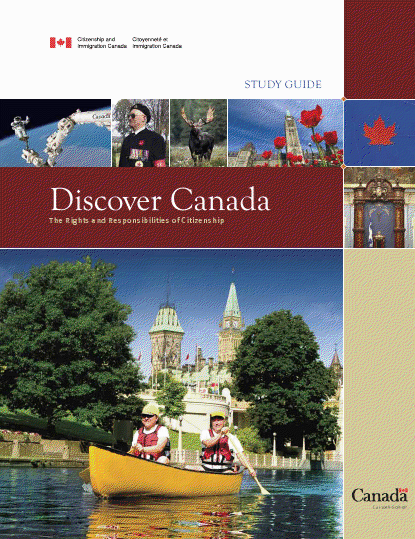
The test is based on the official study guide Discover Canada: The Rights and Responsibilities of Citizenship, which covers key topics such as:
Canadian history
Canadian geography
Government and political system
Rights and responsibilities of citizens
Canadian symbols and culture
The test usually consists of 20 multiple-choice and true-or-false questions. You must answer at least 15 questions correctly to pass.
The test can be taken online or in person depending on your application process.
Why Practice Canadian Citizenship Test Questions?
Practicing with sample questions is one of the best ways to prepare for the citizenship exam. Practice questions help you:
Understand the format of the real test
Identify important topics from the study guide
Improve your confidence before the exam
Test your knowledge and track your progress
Regular practice also helps you remember important facts about Canada’s history, government, and culture.
Topics Covered in the Canadian Citizenship Test
The citizenship test covers several important areas of knowledge about Canada. Understanding these topics will help you answer questions more easily.
Canadian History
You should be familiar with important historical events and figures that shaped Canada. Topics may include:
Indigenous peoples and early history
European exploration and settlement
Confederation and the creation of Canada
Major historical events such as wars and political changes
Understanding Canada’s history helps you appreciate the country’s development and democratic traditions.
Canadian Geography
Geography questions test your knowledge of Canada’s physical and regional features. You should know:
Canada’s provinces and territories
Major cities and regions
Natural resources and landscapes
Oceans and borders
Canada is the second-largest country in the world, and geography plays an important role in its economy and culture.
Government and Political System
You should understand how Canada’s government works. This includes:
Canada’s constitutional monarchy
The roles of the Prime Minister, Parliament, and the Governor General
Federal, provincial, and municipal governments
Elections and voting
Knowing how the political system works is essential for participating in Canada’s democracy.
Rights and Responsibilities of Citizens
Citizenship comes with both rights and responsibilities. The test may include questions about:
Voting in elections
Obeying Canadian laws
Serving on a jury when called
Respecting the rights and freedoms of others
Understanding these responsibilities shows that you are prepared to participate fully in Canadian society.
Canadian Citizenship Test Practice Questions
Here are some practice questions similar to those you may see on the actual test.
Question 1
What is the capital city of Canada?
A. Toronto
B. Ottawa
C. Vancouver
D. Montreal
Correct Answer: B. Ottawa
Explanation: Ottawa, located in Ontario, is the capital city of Canada and the center of the federal government.
Question 2
How many provinces and territories does Canada have?
A. 10 provinces and 3 territories
B. 9 provinces and 4 territories
C. 12 provinces and 2 territories
D. 8 provinces and 5 territories
Correct Answer: A. 10 provinces and 3 territories
Explanation: Canada consists of ten provinces and three territories.
Question 3
What is the name of Canada’s national anthem?
A. O Canada
B. God Save the King
C. Maple Song
D. Canada Forever
Correct Answer: A. O Canada
Explanation: “O Canada” is the official national anthem of Canada.
Question 4
Who is Canada’s Head of State?
A. The Prime Minister
B. The Governor General
C. The Monarch
D. The Senate
Correct Answer: C. The Monarch
Explanation: Canada is a constitutional monarchy, and the monarch is the official head of state.
Question 5
What are the three levels of government in Canada?
A. National, regional, and local
B. Federal, provincial/territorial, and municipal
C. Royal, provincial, and city
D. Government, parliament, and senate
Correct Answer: B. Federal, provincial/territorial, and municipal
Explanation: Canada has three levels of government that share responsibilities.
Question 6
What is the largest province in Canada by population?
A. Alberta
B. Ontario
C. Quebec
D. British Columbia
Correct Answer: B. Ontario
Explanation: Ontario is the most populous province in Canada.
Question 7
What does the Canadian flag symbolize?
A. Peace and unity
B. The maple leaf
C. The oceans and forests
D. The royal crown
Correct Answer: B. The maple leaf
Explanation: The maple leaf is an important national symbol representing Canada.
Question 8
What is one responsibility of Canadian citizens?
A. Voting in elections
B. Owning property
C. Paying for education
D. Traveling abroad
Correct Answer: A. Voting in elections
Explanation: Citizens have the right and responsibility to vote in federal, provincial, and municipal elections.
Question 9
What is Canada’s system of government called?
A. Republic
B. Constitutional monarchy
C. Direct democracy
D. Military government
Correct Answer: B. Constitutional monarchy
Explanation: Canada is a constitutional monarchy with a parliamentary democracy.
Question 10
Which ocean is located on Canada’s west coast?
A. Atlantic Ocean
B. Pacific Ocean
C. Arctic Ocean
D. Indian Ocean
Correct Answer: B. Pacific Ocean
Explanation: The Pacific Ocean borders Canada’s western coastline.
Tips to Pass the Canadian Citizenship Test
Passing the citizenship test requires preparation and understanding of the official study material. Here are some useful tips to help you succeed.
Study the Official Guide
The most important resource for the test is the official study guide Discover Canada. All questions on the test are based on information in this guide.
Reading the guide carefully will help you understand Canada’s history, values, and political system.
Practice Regularly
Practice questions are essential for test preparation. Taking quizzes and mock exams helps you become familiar with the question format and improve your accuracy.
Try to complete several practice tests before your exam date.
Focus on Key Facts
Many questions on the test focus on key facts such as:
Names of provinces and territories
National symbols
Important historical events
Roles of government officials
Memorizing these facts will help you answer questions more quickly.
Review Mistakes
When you answer practice questions incorrectly, review the explanation and learn the correct information. Understanding your mistakes helps you avoid repeating them on the real test.
Stay Calm and Confident
On the day of your test, remain calm and read each question carefully. If you have practiced enough, you will recognize many of the topics and feel confident in your answers.
What Happens After the Citizenship Test?
After completing the test, your answers will be reviewed. If you pass, the next step is usually the citizenship ceremony, where you take the oath of citizenship and officially become a Canadian citizen.
If you do not pass the test on the first attempt, you may be given another opportunity to take the test or attend an interview with a citizenship officer.
Final Thoughts
Preparing with Canadian citizenship test practice questions is one of the best ways to ensure success on your exam. By studying the official guide, practicing regularly, and understanding the key topics about Canada, you can significantly increase your chances of passing the test.
The citizenship test is more than just an exam—it is an opportunity to learn about Canada’s history, values, and democratic system. With the right preparation and dedication, you can confidently take the test and move one step closer to becoming a Canadian citizen.
1. What are Canadian citizenship test practice questions?
Canadian citizenship test practice questions are sample questions designed to help applicants prepare for the official citizenship exam. These questions are based on the information from the Discover Canada: The Rights and Responsibilities of Citizenship study guide and cover topics such as Canadian history, geography, government, and citizens’ rights and responsibilities.
2. How many questions are on the Canadian citizenship test?
The Canadian citizenship test usually contains 20 multiple-choice or true/false questions. Applicants must answer at least 15 questions correctly to pass the test.
3. Where can I find Canadian citizenship test practice questions?
You can find Canadian citizenship test practice questions online through study websites, practice quizzes, and mock exams. These practice tests help you become familiar with the format and topics of the real exam.
4. What topics are included in Canadian citizenship test practice questions?
Practice questions typically cover the following topics:
Canadian history
Canadian geography
Government and political system
Rights and responsibilities of citizens
Canadian symbols and culture
5. Is the Canadian citizenship test difficult?
The Canadian citizenship test is not considered very difficult if you study the Discover Canada guide and practice regularly. Most applicants pass the test after reviewing the study material and completing several practice quizzes.
6. How can practice questions help me pass the Canadian citizenship test?
Practice questions help you understand the test format, improve your knowledge of Canadian facts, and build confidence before the exam. They also help identify areas where you need more study.
7. How long does the Canadian citizenship test take?
The test usually takes about 30 minutes to complete. It may be conducted online or in person depending on the application process.
8. What happens if I fail the Canadian citizenship test?
If you do not pass the test, you may be given another chance to take it. In some cases, you may also have an interview with a citizenship official who will assess your knowledge of Canada.
9. Who needs to take the Canadian citizenship test?
Most applicants between the ages of 18 and 54 must take the citizenship test as part of their application process.
10. What score do you need to pass the Canadian citizenship test?
To pass the Canadian citizenship test, you must answer at least 15 out of 20 questions correctly, which is a score of 75% or higher.